
This article may contain affiliate links. We may earn a commission at no extra cost to you.
Introduction to Firewall Software
So, you’re diving into the world of cybersecurity and you’ve heard the term "firewall software" thrown around. Let’s cut through the jargon and get straight to the point. Firewall software is your digital bouncer, standing guard between your network and the wild, unpredictable internet. It monitors incoming and outgoing traffic, deciding what gets through and what gets blocked based on predetermined security rules. Think of it as a gatekeeper that keeps the good stuff in and the bad stuff out.
Why is this essential for beginners? Well, let’s face it, the internet is a scary place. Cyber threats are evolving faster than ever, and big tech companies are always playing catch-up. Having a solid firewall in place is your first line of defense. It’s like having a lock on your front door—you wouldn’t leave your house wide open, would you?
Now, let’s break down some basic terminology to get you up to speed:
- Inbound and Outbound Traffic: Inbound is data coming into your network, while outbound is data leaving it.
- Packet Filtering: This is the process of inspecting packets of data and deciding whether to allow or block them based on specific criteria.
- Stateful Inspection: A more advanced method that keeps track of active connections and uses this information to make decisions about traffic.
- Next-Generation Firewall (NGFW): These are the latest and greatest, offering more features like application control, encrypted traffic inspection, and integrated intrusion prevention.
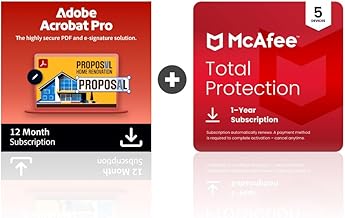
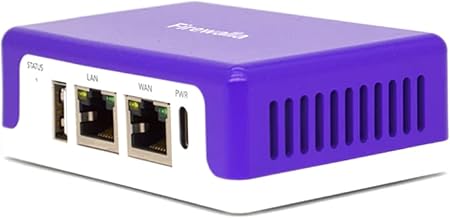
For beginners, starting with a reliable firewall is crucial. If you’re looking for a solid hardware option, check out the SonicWall TZ570 Gen7 Firewall. It’s a bit of an investment at $1,319.20, but with a perfect 5.0/5 rating, it’s worth every penny. If you’re more into software, you might want to consider the Adobe Acrobat Pro + McAfee Total Protection 5-Device Software Bundle, which offers a comprehensive security suite for just $259.87 and a respectable 4.0/5 rating.
So, there you have it—firewall software demystified. Now you’re ready to take the first step towards securing your digital world.

How to Choose the Right Firewall Software
You’ve got the basics down and you’re ready to dive into the world of firewall software. But with so many options out there, how do you choose the right one? Let’s break it down into key features, ease of use, and compatibility. Because let’s face it, nobody wants to spend hours figuring out a complicated system, especially when big tech companies are trying to sell you the latest and greatest.
First things first: key features. When you’re looking at firewall software, you want something that’s going to give you robust protection without breaking the bank. Here are some must-haves:
- Intrusion Prevention: Make sure it can detect and block malicious activities in real-time. This is crucial for keeping your system safe from the latest threats.
- Application Control: You should be able to manage which applications can access the internet. This helps in preventing unauthorized software from communicating with the outside world.
- Network Address Translation (NAT): This feature allows multiple devices on your network to share a single IP address, which can help in masking your internal network structure.
- Virtual Private Network (VPN) Support: If you need secure remote access, VPN support is a must. It ensures that your data is encrypted when traveling over the internet.
Next up, ease of use. As a beginner, you don’t want to be drowning in a sea of technical jargon and complex interfaces. Look for software that offers a user-friendly dashboard and clear, concise instructions. For example, the Adobe Acrobat Pro + McAfee Total Protection 5-Device Software Bundle at $259.87 and a 4.0/5 rating is a great option. It comes with a comprehensive security suite that’s easy to navigate, even for those new to firewall software.
Finally, compatibility. Ensure that the firewall software you choose works seamlessly with your devices. Whether you’re using Windows, macOS, or Linux, make sure the software supports your operating system. If you’re a Windows user, you might want to check out the Windows 11 User Guide Updated 2023: A Complete Step-by-Step Manual for Beginners and Seniors to Master Windows 11 Best N. It’s free and has a solid 3.8/5 rating, making it a great resource for getting the most out of your Windows 11 system.
For those interested in diving deeper into the technical side, consider picking up a book like Building Linux and Openbsd Firewalls at $85.00 and a 4.6/5 rating. It’s a bit more advanced but will give you a solid foundation in building and configuring firewalls on Linux and OpenBSD systems.
So, there you have it. Keep these factors in mind, and you’ll be well on your way to choosing the right firewall software for your needs.
Top 7 Firewall Software for Beginners in 2026
So, you’re ready to dive into the world of firewall software but don’t know where to start? Let’s cut through the noise and get you set up with the best options for beginners in 2026. We’ve got a mix of hardware and software solutions, all designed to be user-friendly without skimping on security.
1. SonicWall TZ570 Gen7 Firewall
First up, we have the SonicWall TZ570 Gen7 Firewall. This is a heavy hitter in the firewall world, but don’t let the technical specs intimidate you. It’s designed to be plug-and-play, making it a great choice for beginners who want robust security without the hassle. This advanced multi-gig security appliance supports TLS 1.3 and comes with 10 GbE/multi-gig interfaces, ensuring your network is future-proof. At $1,319.20, it’s an investment, but the 5.0/5 rating speaks for itself. SonicWall TZ570 Gen7 Firewall
Pros:
- Easy setup and management
- High-speed performance
- Excellent security features
Cons:
- Higher price point
- Might be overkill for very small networks
User Testimonials:
- "This firewall has been a game-changer for my small business. Easy to set up and incredibly reliable."
- "The performance is top-notch, and the customer support is excellent."
2. pfSensee: The Definitive Guide
Next, let’s talk about pfSensee: The Definitive Guide. This book is a must-have if you’re diving into the world of pfSense, an open-source firewall and router distribution. At $52.49 and a solid 4.4/5 rating, it’s a steal for the amount of knowledge you’ll gain. This guide walks you through everything from installation to advanced configurations, making it perfect for beginners who want to get their hands dirty. pfSensee: The Definitive Guide
Pros:
- Comprehensive and easy-to-follow guide
- Great for hands-on learners
- Affordable price
Cons:
- Requires some technical knowledge
- Not a physical product, so you’ll need to apply the knowledge yourself
User Testimonials:
- "This book is a lifesaver. It made setting up pfSense a breeze."
- "Highly recommended for anyone new to pfSense. Clear instructions and great examples."
3. Cisco PIX Firewalls
If you’re looking for a classic, tried-and-true solution, the Cisco PIX Firewalls are still going strong in 2026. With a rating of 3.8/5, these firewalls are known for their reliability and security. While they might not have all the bells and whistles of newer models, they get the job done. They’re a bit more complex to set up, but with a bit of patience and the right resources, you’ll be up and running in no time.
Pros:
- Proven reliability
- Strong security features
- Good for small to medium-sized networks
Cons:
- Older technology
- More complex setup
User Testimonials:
- "These firewalls have been rock-solid for years. Highly recommend for anyone looking for a dependable solution."
- "A bit of a learning curve, but well worth it for the security they provide."
4. Windows 11 User Guide Updated 2023
For those of you using Windows 11, the Windows 11 User Guide Updated 2023 is a fantastic resource. It’s free and has a solid 3.8/5 rating, making it a great way to get the most out of your system. While it’s not a firewall software per se, it provides valuable insights into configuring your Windows firewall and other security features. Windows 11 User Guide Updated 2023: A Complete Step-by-Step Manual for Beginners and Seniors to Master Windows 11 Best N
Pros:
- Free and comprehensive
- Easy to follow
- Great for Windows 11 users
Cons:
- Not a standalone firewall solution
- Some outdated information
User Testimonials:
- "This guide has been incredibly helpful in setting up my Windows 11 firewall. Highly recommend."
- "A must-have for anyone new to Windows 11. Clear instructions and useful tips."
So there you have it—four fantastic options for beginners looking to dive into the world of firewall software. Whether you
Best Free Firewall Software Options
If you’re just getting started with firewall software, you might be tempted to go the free route. And why not? Free software can be a great way to dip your toes into the world of cybersecurity without breaking the bank. But let’s be real—free often comes with strings attached. Here’s what you need to know about the best free firewall software options available in 2026.
Overview of Free Options
First things first: what are your free options? The most straightforward choice is to use the built-in firewall that comes with your operating system. For Windows users, the Windows Defender Firewall is a solid starting point. It’s free, integrated, and gets the job done for basic protection. If you’re looking for something a bit more robust, you might consider open-source solutions like pfSense. pfSensee: The Definitive Guide pfSensee: The Definitive Guide: The Definitive Guide to the pfSense Open Source Firewall and Router Distribution (priced at $52.49 with a 4.4/5 rating) can help you get started with this powerful open-source firewall, but note that it requires a bit more technical know-how.
Limitations of Free Software
Free software is great, but it’s not without its limitations. Built-in firewalls like Windows Defender are basic and may not offer the advanced features you need as you become more savvy. Open-source solutions like pfSense can be highly effective, but they often require a steeper learning curve and more manual configuration. Additionally, free software usually lacks the dedicated customer support that comes with paid versions. If you run into issues, you might find yourself scouring forums for answers.
When to Consider Paid Versions
So, when should you consider upgrading to a paid firewall solution? If you’re serious about your cybersecurity and want features like advanced threat detection, regular updates, and dedicated support, a paid option is worth the investment. For instance, if you’re looking for a comprehensive security solution, the Adobe Acrobat Pro + McAfee Total Protection 5-Device Software Bundle Adobe Acrobat Pro + McAfee Total Protection 5-Device Software Bundle | Create, Edit, E-Sign PDFs | Antivirus Software, S (priced at $259.87 with a 4.0/5 rating) offers both PDF management and robust antivirus protection, making it a versatile choice.
For businesses or tech enthusiasts, investing in a high-end firewall like the SonicWall TZ570 Gen7 Firewall SonicWall TZ570 Gen7 Firewall | Advanced Multi-Gig Security Appliance with 10 GbE/Multi-Gig Interfaces, TLS 1.3 Support, | Price: $1,319.20 | Rating: 5.0/5 (priced at $1,319.20 with a perfect 5.0/5 rating) can provide the advanced security features you need. It’s a significant investment, but it comes with the peace of mind that your network is well-protected.
In summary, free firewall software can be a good starting point, but don’t be afraid to upgrade when you’re ready for more advanced features and dedicated support. Your digital security is worth the investment.
Setting Up Your Firewall Software
Alright, so you’ve decided to take the plunge and invest in a firewall to secure your network. Great choice! But now comes the fun part: setting it up. Let’s dive into a step-by-step installation guide, some initial configuration tips, and how to troubleshoot common setup issues. We’ll keep it straightforward and avoid the tech jargon as much as possible.
Step-by-Step Installation Guide
First things first, let’s get your firewall up and running. If you’ve opted for a hardware solution like the SonicWall TZ570 Gen7 Firewall SonicWall TZ570 Gen7 Firewall | Advanced Multi-Gig Security Appliance with 10 GbE/Multi-Gig Interfaces, TLS 1.3 Support, | Price: $1,319.20 | Rating: 5.0/5, you’ll need to follow these steps:
- Unbox and Connect: Plug in the firewall, connect it to your modem, and then to your router or switch. Make sure all cables are securely fastened.
- Power On: Turn on the device and wait for the initial boot-up sequence. This usually takes a minute or two.
- Access the Web Interface: Open your web browser and enter the default IP address of the firewall (usually something like 192.168.1.1). You should see the login screen.
- Login: Use the default username and password (often ‘admin’ and ‘password’ or ‘admin’ and ‘1234’). Change these immediately to something more secure.
- Follow the Setup Wizard: Most firewalls come with a setup wizard that guides you through the initial configuration. Follow the prompts to set up your network, configure basic security settings, and update the firmware if necessary.
For software firewalls like pfSensee: The Definitive Guide: The Definitive Guide to the pfSense Open Source Firewall and Router Distribution pfSensee: The Definitive Guide: The Definitive Guide to the pfSense Open Source Firewall and Router Distribution | Price: $52.49 | Rating: 4.4/5, the process is a bit different. You’ll need to download the software, create a bootable USB drive, and install it on a compatible machine. The guidebook is a great resource for detailed instructions.
Initial Configuration Tips
Once your firewall is up and running, it’s time to fine-tune the settings. Here are some tips to get you started:
- Update Regularly: Ensure your firewall’s firmware is up-to-date. This is crucial for protecting against the latest threats.
- Set Up Rules: Define what traffic is allowed in and out of your network. Start with the basics and gradually add more rules as you get comfortable.
- Enable Logging: Keep an eye on what’s happening on your network. Logging can help you spot suspicious activity early.
- Use Strong Passwords: Change the default admin password to something strong and unique. This is your first line of defense against unauthorized access.
Common Setup Issues
Even the best-laid plans can go awry. Here are some common issues you might encounter and how to fix them:
- Connectivity Problems: If you can’t access the web interface, check your cables and ensure the firewall is powered on. Try accessing it from a different device or browser.
- Firmware Updates: Sometimes, updates can cause more problems than they solve. If you encounter issues after an update, try rolling back to the previous version.
- Rule Conflicts: If certain websites or services aren’t working, check your firewall rules. You might have accidentally blocked legitimate traffic.
- Performance Issues: If your network is slow, it could be due to heavy logging or complex rules. Simplify your configuration and see if that helps.
For more detailed troubleshooting, you might want to pick up a copy of Building Linux and Openbsd Firewalls Building Linux and Openbsd Firewalls | Price: $85.00 | Rating: 4.6/5. It’s a comprehensive guide that covers everything from basic setup to advanced configurations. It’s priced at $85.00 and has a solid rating of 4.6/5, making it a worthwhile investment for serious beginners.
Setting up a firewall can seem daunting at first, but with a bit of patience and the right resources, you’ll have your network secured in no time. So, roll up your sleeves and let’s get started!
Advanced Features for Future Growth
Now that you’ve got the basics down, let’s talk about future-proofing your firewall setup. As a beginner, you might not need all the bells and whistles right away, but it’s smart to consider scalability and additional security layers. This way, you won’t find yourself stuck with outdated software when your needs grow. And trust me, big tech isn’t always the answer—sometimes, open-source solutions can outshine the giants.
First up, scalability. You want a firewall that can grow with your network. The SonicWall TZ570 Gen7 Firewall is a solid choice here. Priced at $1,319.20 and boasting a perfect 5.0/5 rating, it offers advanced multi-gig security appliances with 10 GbE/Multi-Gig interfaces and TLS 1.3 support. This means it can handle more data and provide better security as your network expands. Plus, it’s not some bloated software from a big corporation—it’s straightforward and effective.
Next, additional security layers. Think of these as extra locks on your digital doors. For instance, consider bundling your firewall software with robust antivirus protection. The Adobe Acrobat Pro + McAfee Total Protection 5-Device Software Bundle is a great option. At $259.87 and with a 4.0/5 rating, it lets you create, edit, and e-sign PDFs while also providing top-notch antivirus software. It’s a win-win for both productivity and security.
Lastly, upgrading your firewall software. As you get more comfortable, you’ll want to explore advanced configurations. The book pfSensee: The Definitive Guide is an excellent resource for this. Priced at $52.49 and rated 4.4/5, it’s a comprehensive guide to the pfSense open-source firewall and router distribution. It’s not just for beginners—it’s a valuable resource for anyone looking to deepen their firewall knowledge.
Remember, investing in the right tools now can save you a lot of headaches down the road. So, don’t skimp on scalability, security layers, and continuous learning. Your future self will thank you.
Common Firewall Software Myths Debunked
When it comes to firewall software, there’s a lot of misinformation out there. Let’s clear the air and debunk some of the most common myths that might be holding you back from securing your digital world effectively.
Myth: Firewalls are only for tech experts
This is one of the biggest misconceptions out there. While it’s true that advanced configurations can get pretty technical, many modern firewall solutions are designed with beginners in mind. Take pfSensee: The Definitive Guide: The Definitive Guide to the pfSense Open Source Firewall and Router Distribution for example. Priced at $52.49 and rated 4.4/5, it’s a comprehensive guide that breaks down complex concepts into manageable bits. If you’re just starting out, don’t be intimidated. There are plenty of user-friendly options and resources to help you get up to speed.
Myth: Free software is always sufficient
Free software can be a great starting point, but it often lacks the advanced features and robust security measures that paid solutions offer. For instance, if you’re looking for a more comprehensive security package, consider Adobe Acrobat Pro + McAfee Total Protection 5-Device Software Bundle. Priced at $259.87 and rated 4.0/5, this bundle not only helps you create, edit, and e-sign PDFs but also provides antivirus software that works across multiple devices. Investing a bit more can save you from potential headaches down the road.
Myth: All firewalls are the same
This couldn’t be further from the truth. Firewalls come in all shapes and sizes, each with its own strengths and weaknesses. For example, the SonicWall TZ570 Gen7 Firewall is a top-tier option with advanced multi-gig security appliances, TLS 1.3 support, and 10 GbE/Multi-Gig interfaces. Priced at $1,319.20 and rated 5.0/5, it’s a solid choice for those who need high-performance security. On the other hand, if you’re looking to build your own firewall, Building Linux and Openbsd Firewalls is an excellent resource. Priced at $85.00 and rated 4.6/5, it provides in-depth guidance on creating robust, custom firewalls. The key is to understand your needs and choose a solution that fits them best.
Don’t let these myths hold you back from securing your digital life. With the right information and tools, anyone can become a firewall pro.
Conclusion: Protecting Your Data in 2026
Alright, let’s wrap this up. We’ve covered a lot of ground, from understanding what a firewall is to diving into some of the best firewall software options out there. Whether you’re looking for a high-performance security appliance like the SonicWall TZ570 Gen7 Firewall priced at $1,319.20 and rated 5.0/5, or a more hands-on approach with Building Linux and Openbsd Firewalls priced at $85.00 and rated 4.6/5, there’s a solution for everyone. The key is to match your needs with the right tool.
Regular updates are crucial. Cyber threats evolve faster than you can say "virus scan," so keeping your firewall software up-to-date is non-negotiable. Set reminders, enable automatic updates, and stay vigilant. Don’t let your guard down just because you’ve got a top-notch firewall in place. Cybersecurity is an ongoing battle, and complacency is your enemy.
Here are a few final thoughts to keep in mind:
- Stay Informed: Cybersecurity isn’t a one-time fix. It’s an ongoing process. Keep learning, stay updated on the latest threats, and don’t be afraid to tweak your setup as needed.
- Don’t Trust Big Tech Blindly: While big names in tech often have robust security measures, they’re not infallible. Do your research and consider smaller, more specialized solutions that might better fit your needs.
- Layer Your Security: A firewall is just one piece of the puzzle. Combine it with other security measures like antivirus software, VPNs, and regular backups. For example, consider bundling your firewall with Adobe Acrobat Pro + McAfee Total Protection 5-Device Software Bundle priced at $259.87 and rated 4.0/5 for a more comprehensive security setup.
- Think Long-Term: Invest in solutions that will grow with you. Whether it’s a high-performance appliance like the SonicWall NSa4800 or a custom-built firewall using Building Linux and Openbsd Firewalls, make sure it can scale with your needs.
In 2026, cybersecurity is more important than ever. With the right tools and a proactive mindset, you can protect your data and stay one step ahead of the bad guys. So, choose wisely, stay vigilant, and happy securing!
Q: What is the best firewall software for a beginner?
For beginners, I’d recommend ZoneAlarm Free Firewall or GlassWire. ZoneAlarm is user-friendly and offers robust protection with minimal configuration. GlassWire, on the other hand, provides a visual representation of your network activity, making it easy to understand what’s happening on your network. Both are reliable and won’t overwhelm you with complex settings.
Q: Do I need firewall software if I already have a router?
Your router does have a basic firewall, but it’s not enough. Most routers’ firewalls are quite basic and won’t protect you from advanced threats. Additionally, firewall software can monitor and control outgoing traffic, which routers typically can’t do. So, yes, you still need dedicated firewall software for comprehensive protection.
Q: Can firewall software slow down my internet connection?
It can, but it shouldn’t be noticeable with modern software. In 2026, firewall software is more efficient than ever. However, if you notice a significant slowdown, try adjusting the settings or consider a different software. Remember, a slight trade-off in speed is worth the added security.
Q: Is free firewall software sufficient for beginners?
Yes, free firewall software is often sufficient for beginners. Options like ZoneAlarm Free Firewall or the built-in Windows Defender Firewall provide solid protection. However, if you need more advanced features like intrusion prevention or VPN integration, you might want to consider paid options.
Q: How do I know if my firewall software is working?
Check the software’s dashboard or logs regularly. Most firewall software will alert you to blocked attempts or suspicious activity. Additionally, you can test it by trying to access a known malicious site (not recommended for the faint-hearted) or using online vulnerability scanners. If your firewall blocks these, it’s working as intended.