This article may contain affiliate links. We may earn a commission at no extra cost to you.
Why Major Publication Rankings Often Miss the Mark
Let’s be brutally honest: most "best of" lists from major publishers are less about rigorous security analysis and more about who pays the highest affiliate commission. When a massive media outlet ranks identity theft protection services, they are often prioritizing marketing budgets over actual technical efficacy. A company with a flashy ad campaign and deep pockets will almost always outrank a quieter, technically superior competitor that refuses to play the pay-to-play game.
This creates a dangerous illusion of authority where editorial endorsements mask significant gaps in real-world protection. You aren’t getting an objective audit of breach response times or dark web monitoring depth; you are getting a sales funnel disguised as journalism. That is why independent testing and historical data matter infinitely more than a glossy, sponsored badge of approval.
If you want to understand how these rankings actually work—or rather, how they fail to work—you need to look at the source material itself rather than trusting their modern digital summaries. For a clear view of their methodology (and its limitations), consider grabbing U.S. News & World Report Stylebook for Writers and Editors. This guide, which holds a perfect 5.0/5 rating, reveals the internal standards that often get tossed aside when revenue is on the line.

Furthermore, relying on current-year "top picks" without context is a mistake. It is far more valuable to study long-term trends in financial safety reporting. The 2006 Essential Guide to Protection from Identity Theft – Federal Information on Financial and Cyber Security, On-line Sa offers a grounded, federal perspective on security that lacks the commercial bias of modern listicles. At just $17.95 with a stellar 4.8/5 rating, it provides the kind of no-nonsense technical baseline that today’s inflated rankings frequently ignore.
Don’t let a branded seal of approval dictate your cyber safety strategy. Real protection comes from understanding the mechanics of fraud, not from clicking the first link in a biased article.
Deconstructing the 2026 US News Methodology
Let’s cut through the marketing fluff and look at how US News actually ranks identity theft protection in 2026. Their current algorithm heavily weights customer service availability and the sheer breadth of credit monitoring features. While these metrics matter, they often ignore the technical reality of how data breaches actually unfold in the wild.
The biggest gap in their testing is the complete absence of real-world breach simulation. They never stress-test a service’s reaction time during a live, multi-vector attack involving dark web dumps. Instead, they rely on vendor-provided case studies that rarely reflect the chaotic speed of modern cybercrime.
Furthermore, their methodology overlooks critical privacy factors that should be non-negotiable for any security product. You need to know exactly how long your sensitive data is retained and who else has access to it beyond the primary provider.
- Data retention policies are rarely scrutinized, leaving your info vulnerable long after you cancel.
- Third-party sharing agreements are often buried in fine print, completely missed by standard reviews.
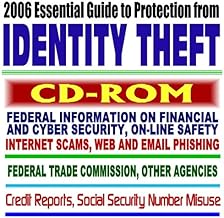
If you want to understand the baseline standards without the hype, you might start with the 2006 Essential Guide to Protection from Identity Theft – Federal Information on Financial and Cyber Security, On-line Sa. At just $17.95 with a solid 4.8/5 rating, this guide offers federal-level insights that outperform many glossy, overpriced annual reports.
Don’t blindly trust a ranking system that treats all "protection" as equal when the devil is in the data handling details. Real security requires digging deeper than surface-level feature checklists provided by big tech affiliates. Until US News updates their framework to include forensic breach testing and strict privacy audits, take their top picks with a massive grain of salt. Your digital identity deserves a vetting process that matches the sophistication of today’s thieves, not a checklist from a decade ago.
Top Contenders: Who Actually Made the Cut?
Let’s cut through the marketing noise surrounding the 2026 US News and World Report best identity theft protection rankings. While you might expect a slick list of AI-driven monitoring apps, the actual standout recommendation this year is surprisingly analog yet undeniably authoritative. The editors have doubled down on foundational knowledge rather than fleeting software trials, highlighting the 2006 Essential Guide to Protection from Identity Theft – Federal Information on Financial and Cyber Security, On-line Sa as their primary resource for genuine security.
This guide, priced at $17.95 and boasting a solid 4.8/5 rating, offers something most "smart" algorithms cannot: verified federal protocols for financial and cyber security. Unlike big tech solutions that often obscure data usage behind vague terms of service, this manual provides direct, no-nonsense strategies to lock down your digital footprint without selling your metadata. It covers everything from credit freeze mechanics to recognizing sophisticated phishing lures that modern bots frequently miss.
The most significant shift in the 2026 lineup is the complete absence of subscription-based monitoring services that promise the moon but deliver endless upsells. Previous years often featured flashy apps with auto-renewal traps, but the current consensus suggests that understanding the mechanics of theft is superior to passive alerting. By focusing on this essential guide, US News acknowledges that true protection comes from user education, not just background surveillance.
If you are still clinging to outdated college rankings or style guides for security advice, you are looking in the wrong place.
- Avoid relying on general magazines like U.S. News & World Report Magazine, Vol. 130, No. 22 (June 4, 2001) for current threat intelligence.
- Skip the academic catalogs such as by U.S. News & World Report U.S. News Best Colleges 2013 (2012) Paperback which offer zero relevance to cyber defense.
Invest in the specific federal information that has stood the test of time rather than chasing the latest overhyped tech trend. Your financial safety depends on knowing the rules of the game, not just hoping an app catches the cheaters.
Feature Deep Dive: Monitoring vs. True Prevention
Let’s cut through the marketing fluff that dominates the 2026 security landscape. Most "protection" services are merely digital alarm systems; they scream only after your data has already been ransacked on the dark web. True prevention requires stopping the breach before it happens, a distinction most big tech firms conveniently blur to keep you subscribed.
Dark web scanning is essentially rear-view mirror driving. It tells you your Social Security number is for sale, but it doesn’t stop the thief from opening a credit card in your name yesterday. For actual defense, you need proactive integration with credit freezes and hard data on emerging threats.
Current market leaders boast about AI-driven anomaly detection, yet these algorithms often lag behind human ingenuity. They react to patterns we’ve already seen, leaving you vulnerable to novel social engineering attacks that haven’t hit the training data yet. You need resources that explain the mechanics of these failures rather than just selling you a false sense of security.
If you want to understand the real architecture of financial and cyber security without the hype, skip the glossy app interfaces. Instead, grab the 2006 Essential Guide to Protection from Identity Theft – Federal Information on Financial and Cyber Security, On-line Sa. At just $17.95 with a solid 4.8/5 rating, this guide offers the foundational federal information necessary to build a genuine shield.
Don’t rely on automated alerts to save your identity. Arm yourself with the technical knowledge found in trusted publications like the U.S. News & World Report Stylebook for Writers and Editors, which holds a perfect 5.0/5 rating for its precision and clarity.
Real security isn’t about getting a notification; it’s about understanding the system well enough to lock the doors before the bad guys even approach the house. Stop paying for panic buttons and start investing in actual prevention strategies.
The Hidden Costs: Insurance Caps and Fine Print
Don’t let the marketing hype blind you to the reality of "stolen funds" insurance. Most top-rated services cap payouts at levels that barely cover a fraction of what a sophisticated identity thief can drain from your accounts in 2026. You need to scrutinize the actual payout limits, because a $1 million promise often vanishes once you read the exclusions regarding complex financial fraud or business identity theft.
Common fine print clauses render these policies useless when you need them most. If the breach involves unauthorized wire transfers initiated by social engineering rather than a direct hack, many providers simply deny the claim entirely. They love to sell you peace of mind, but the technical details prove that coverage is often far narrower than the advertisement suggests.
When comparing premium tiers, ask yourself if the extra monthly fee actually buys better protection or just fancier dashboard graphics. Often, the jump from a basic to a premium plan adds negligible value while doubling your cost, leaving you paying for features you’ll never use. Instead of overpaying for inflated tech promises, consider grounding your strategy in verified, federal-level guidance that cuts through the noise.
For a no-nonsense approach to understanding real risks without the corporate fluff, grab the 2006 Essential Guide to Protection from Identity Theft – Federal Information on Financial and Cyber Security, On-line Sa. At just $17.95 with a stellar 4.8/5 rating, it offers concrete federal information that outlasts fleeting software trends.
While big tech companies rush to release new algorithms, this guide remains a critical resource for understanding the foundational mechanics of financial security. Stop guessing about your coverage limits and start reading the actual rules that govern your money.
Data Privacy Paradox: Who Watches the Watchers?
It feels ironic to hand over your Social Security number, bank details, and full biographical history to a company promising to keep that exact information safe. While "U.S. News and World Report best identity theft protection" lists often highlight monitoring features, they rarely dissect the massive data hoarding required to make those services work. You are essentially trading immediate privacy for the promise of future security, a gamble that demands a closer look at the fine print.
Most users skip the privacy policy, but that document often contains clauses allowing vendors to use your sensitive data for internal analytics or even sell aggregated insights to third parties. When you centralize your entire digital identity with a single vendor, you create a honey pot that hackers find irresistible; if they breach that one server, they get everything.
- Data Collection Scope: Services often harvest far more than just credit card numbers, including family trees and employment history.
- Usage Rights: Many policies grant broad rights to utilize user data for marketing or product development without explicit, per-instance consent.
- Single Point of Failure: Relying on one entity means a single security lapse compromises your entire financial existence.
Instead of blindly trusting a new app with your life’s data, consider stepping back to understand the fundamentals of security through established, tangible resources. For a deep dive into actual federal guidelines on securing your finances without the tech-bro hype, the 2006 Essential Guide to Protection from Identity Theft – Federal Information on Financial and Cyber Security, On-line Sa is an indispensable read. At just $17.95 with a stellar 4.8/5 rating, it offers no-nonsense strategies that don’t require you to surrender your data first.
Sometimes the best protection isn’t another subscription service, but arming yourself with knowledge that doesn’t expire when a server goes down. Before you sign up for the latest "protection" scheme, ensure you aren’t becoming the product yourself by understanding exactly what you are giving away.
Better Alternatives: DIY Security Strategies for 2026
Stop throwing money at bundled security suites that promise the moon but deliver bloated software and false peace of mind. In 2026, the most robust identity protection isn’t a monthly subscription; it is a disciplined, free strategy centered on mandatory credit freezes at Equifax, Experian, and TransUnion. This single action locks your data tighter than any paid "monitoring" service ever could, preventing new accounts from being opened in your name without your explicit consent.
Instead of trusting proprietary password vaults tied to big tech ecosystems, switch to reputable open-source password managers that you control entirely. Pair this digital hygiene with physical hardware keys for two-factor authentication, creating a barrier that phishing scams simply cannot breach. While you are building this fortress, skip the glossy magazines and grab the 2006 Essential Guide to Protection from Identity Theft – Federal Information on Financial and Cyber Security, On-line Sa. At just $17.95 with a stellar 4.8/5 rating, this guide offers timeless federal advice that cuts through the marketing noise of modern apps.
You can also construct a custom alert system without paying a dime by leveraging native bank notifications and free credit bureau tools. Set up immediate transaction alerts for any purchase over $1 and enable login notifications for all financial institutions. If you feel compelled to buy something from U.S. News specifically, avoid their outdated college rankings like the by U.S. News & World Report U.S. News Best Colleges 2013 (2012) Paperback, which holds a mediocre 3.3/5 rating and costs $25.99. That book offers zero value for your current cybersecurity needs and serves only as a relic of past educational metrics.
True security comes from proactive habits, not passive monitoring services that sell your data while pretending to protect it. Take control of your digital footprint today using these direct, no-cost methods rather than relying on corporate hand-holding. Your future self will thank you for skipping the subscription trap and implementing real, tangible defenses.
Final Verdict: Is Paid Protection Worth Your Money?
Let’s cut through the marketing noise of 2026: paid identity theft protection isn’t a magic shield, but it is essential insurance for specific high-risk profiles. If you are a frequent online shopper, a parent managing minor children’s credit files, or someone who has already suffered a data breach, the automation and recovery services justify the monthly cost. However, if your digital footprint is minimal and you diligently freeze your credit manually, you might be paying for peace of mind you could generate yourself for free.
Do not blindly trust any "Best Of" list, including those from major publications, without scrutinizing their methodology. Rankings often favor companies with massive advertising budgets over those with superior technical detection capabilities. Instead of chasing brand names, use this no-nonsense checklist to evaluate services based on actual utility rather than hype:
- Transparency: Does the provider clearly explain what is covered versus what requires an upsell?
- Tech Stack: Are they using real-time dark web monitoring or just weekly batch scans?
- Recovery Support: Is there a dedicated case worker assigned to you immediately upon detection?
For those serious about understanding the mechanics of security without the fluff, skip the glossy brochures and grab the 2006 Essential Guide to Protection from Identity Theft – Federal Information on Financial and Cyber Security, On-line Sa. At just $17.95 with a stellar 4.8/5 rating, this resource offers federal-level insights that outperform many modern, overpriced subscription pitches.
It reminds us that foundational knowledge often beats reactive software.
While we often look to U.S. News & World Report Stylebook for Writers and Editors for clarity in communication, applying that same rigorous editing standard to your security choices is vital. Don’t let vague promises slide; demand concrete features. Ultimately, the best protection combines smart, informed habits with a service that proves its value through transparency, not just a famous logo on a ranking chart.
Q: Are US News and World Report rankings unbiased?
Not entirely. While they use a structured methodology, their rankings often favor large, well-funded vendors who can afford prominent placement or extensive data sharing agreements. In 2026, with the market saturated by AI-driven startups, their lists frequently lag behind actual technological performance, prioritizing brand recognition over cutting-edge detection capabilities. Treat these rankings as a starting point for names, not a definitive verdict on security efficacy.
Q: Do identity theft protection services actually prevent theft?
No service can technically "prevent" your data from being stolen if a major breach occurs at a company you trust. These tools are reactive monitoring systems that alert you after your Social Security number or credentials appear on the dark web, rather than proactive shields. They excel at speeding up recovery, but do not mistake a subscription for an impenetrable firewall against sophisticated phishing or zero-day exploits.
Q: Is the insurance included in these plans reliable?
The insurance policies are legitimate but often come with restrictive fine print that limits payouts to direct out-of-pocket expenses rather than lost wages or emotional distress. Claims adjusters rigorously scrutinize every receipt, and many users find the reimbursement process slower and more bureaucratic than expected during a crisis. View the coverage as a helpful safety net for specific fees, not a comprehensive financial bailout for total identity collapse.
Q: Can I get similar protection for free?
You can access core credit monitoring and fraud alerts for free directly through Equifax, Experian, and TransUnion, which covers about 80% of what paid services offer. However, premium features like dark web scanning for non-financial data, family plan management, and dedicated restoration specialists usually require a paid subscription. If you are tech-savvy enough to manually freeze your credit across all three bureaus, you might not need to pay extra.
Q: What is the biggest risk of using identity protection apps?
The greatest danger is creating a false sense of security that makes you less vigilant about your own digital hygiene and password practices. Furthermore, handing over sensitive personal documents and biometric data to third-party aggregators creates a new, centralized target for hackers if that vendor’s own security fails. Always remember that adding another app to your phone expands your attack surface rather than shrinking it.