This article may contain affiliate links. We may earn a commission at no extra cost to you.
What Makes a Privacy Phone the Best?
In 2026, privacy is more than just a buzzword—it’s a necessity. But what exactly makes a privacy phone the best choice for safeguarding your personal information? Let’s dive into the key features to look for and why they matter.
First and foremost, encryption is your best friend. A privacy phone should use end-to-end encryption for all communications, ensuring that only you and the intended recipient can read your messages. This is non-negotiable if you want to keep your conversations truly private. Look for phones that offer encryption not just for messaging, but also for calls, emails, and even app data. Privacy-focused operating systems are another crucial factor. Forget about the bloated, data-hungry software from big tech giants. Opt for operating systems designed with privacy in mind, such as GrapheneOS or CalyxOS. These systems are built on top of Android but strip away the invasive tracking features, giving you a clean, secure experience.
Now, let’s talk about additional layers of protection. Privacy screen protectors are a must-have. They prevent prying eyes from sneaking a peek at your screen. Here are a few top picks:
-
UNBREAKcable Privacy Screen Protector for iPhone 16 Pro Max (UNBREAKcable Privacy Screen Protector for iPhone 16 Pro Max (6.9"), 25° Anti-Spy Tempered Glass, Easy Install Alignment) — This protector offers a 25° viewing angle, ensuring that only you can see your screen clearly. It’s priced at $21.83 and has a solid rating of 4.2/5.
-
EGKimBa for iPhone 16 Pro Max Privacy Screen Protector (EGKimBa for iPhone 16 Pro Max Privacy Screen Protector, Gradient Color Tempered Glass, Bubble Free, Easy Installation, A) — This option provides a gradient color tempered glass finish and is bubble-free for a seamless experience. It’s available for $9.99 and rated 4.1/5.
-
Ailun Privacy Screen Protector for iPhone 16 / iPhone 15 / iPhone 15 Pro ([Ailun Privacy Screen Protector for iPhone 16 / iPhone 15 / iPhone 15 Pro 6.1 Inch 3 Pack Anti Spy Private Tempered Glass]) — This pack of three screen protectors is designed for multiple devices and offers excellent privacy at a great price of $6.98. It has a high rating of 4.4/5.
-
Milomdoi 3 Pack Privacy Screen Protector for iPhone 17 Pro Max ([Milomdoi 3 Pack Privacy Screen Protector for iPhone 17 Pro Max Phone Case Friendly Accessories Private Film, 3 Pacs Tempered Glass]) — This is another fantastic option for the iPhone 17 Pro Max, offering three packs for just $6.24 and a stellar rating of 4.5/5.
In summary, the best privacy phone is one that combines robust encryption, a privacy-focused operating system, and additional protective measures like privacy screen protectors. By choosing the right combination of these features, you can significantly enhance your digital privacy and keep your personal information safe from prying eyes.
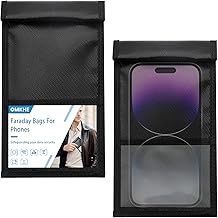
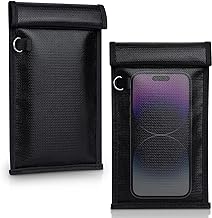
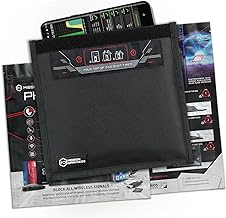
Top 7 Privacy Phones of 2026
In an era where big tech companies seem to have their eyes on every keystroke and scroll, finding a truly private phone has become a priority for many. As we dive into 2026, the market is buzzing with options that promise to keep your data safe and secure. Let’s cut through the hype and look at the top seven privacy phones that are actually worth your time and money. We’ll break down the pros and cons, and share some real user experiences to give you a clear picture.
First up, the Librem 5 IV from Purism. This phone is a privacy enthusiast’s dream, running PureOS, a Debian-based operating system designed with security in mind. The Librem 5 IV boasts hardware kill switches for the camera, microphone, Wi-Fi, Bluetooth, and cellular modem, giving you ultimate control over your privacy. Users rave about its open-source ethos and the peace of mind that comes with it. However, the downside is that the app ecosystem is limited compared to mainstream operating systems. The phone also has a learning curve, which might not be ideal for tech novices.
Next, we have the GrapheneOS phone, specifically the Pixel 10 running GrapheneOS. This combination offers top-notch security and privacy features, including advanced encryption and regular security updates. The Pixel 10’s hardware is robust, and the GrapheneOS software is designed to minimize data collection. Users appreciate the seamless integration and the fact that it feels like a regular Android phone but with enhanced privacy. On the flip side, the setup process can be complex, and not all apps are compatible out of the box.
The Blackphone 3 from Silent Circle is another strong contender. It comes with Silent OS, a privacy-focused version of Android that includes built-in encryption for calls, messages, and files. The Blackphone 3 also features a privacy screen that automatically blurs the display when someone looks at it from an angle. Users love the built-in security features and the simplicity of the user interface. However, the phone can be a bit pricey, and the performance might not match up to the latest flagship devices.
For those who prefer iOS but want extra privacy, the iPhone 17 Pro Max is a solid choice. Pair it with a good privacy screen protector like the UNBREAKcable Privacy Screen Protector for iPhone 16 Pro Max (6.9", 25° Anti-Spy Tempered Glass, Easy Install Alignment) — priced at $21.83 with a 4.2/5 rating. This screen protector ensures that your screen is only visible to you, adding an extra layer of privacy. The iPhone’s ecosystem is secure, but Apple’s data collection practices can be a concern for some. Users appreciate the seamless integration with other Apple devices and the overall user experience.
If you’re looking for a more budget-friendly option, consider the Nubia Z50 with the EGKimBa for iPhone 16 Pro Max Privacy Screen Protector, Gradient Color Tempered Glass, Bubble Free, Easy Installation — priced at $9.99 with a 4.1/5 rating. This phone offers decent privacy features and a gradient color tempered glass screen protector. Users find it to be a good balance between affordability and privacy, but it lacks some of the advanced security features found in more expensive models.
The PinePhone Pro is an interesting choice for tech-savvy users. It runs various open-source operating systems and is designed with privacy and modularity in mind. The PinePhone Pro’s hardware kill switches and open-source software make it a favorite among privacy advocates. However, the user experience can be hit or miss, and the hardware is not as polished as mainstream phones. Users appreciate the customizability and the strong privacy focus, but note that it’s not for everyone.
Lastly, the Sirin Labs Finney 2S is a luxury privacy phone that combines high-end hardware with advanced security features. It includes a cold storage wallet for cryptocurrencies and a secure enclave for sensitive data. Users love the premium build quality and the peace of mind that comes with its robust security measures. However, the price tag is steep, and the phone’s ecosystem is niche.
In summary, the best privacy phone for you depends on your specific needs and technical comfort level. Whether you opt for the Librem 5 IV’s open-source purity, the Pixel 10’s seamless security, or the iPhone 17 Pro Max’s ecosystem, there’s a privacy-focused device out there that can help you keep your data safe from prying eyes.
How to Choose the Right Privacy Phone
Picking the right privacy phone isn’t just about splashing cash on the latest gadget. It’s about understanding your needs, balancing your budget, and future-proofing your investment. Let’s break it down.
Assessing Your Needs
First things first, what do you actually need from a privacy phone? Are you looking to keep your browsing habits under wraps, secure your cryptocurrency, or protect sensitive business data? Maybe it’s all of the above. Here are some questions to consider:
- What data do you need to protect? Personal messages, financial info, or work-related documents?
- How tech-savvy are you? Some privacy phones require a bit more know-how to set up and use effectively.
- What’s your daily use like? If you’re a power user, you’ll need a phone that can handle heavy multitasking without compromising security.
Budget Considerations
Let’s talk money. Privacy phones can range from affordable to downright pricey. While it’s tempting to go for the cheapest option, remember that you often get what you pay for. Here are some tips:
- Set a realistic budget. Don’t break the bank, but don’t skimp on security either.
- Consider long-term costs. Some phones might be cheaper upfront but could have hidden costs, like subscription fees for security updates.
- Look for deals. Keep an eye out for sales or refurbished options. Sometimes, you can snag a great deal on a high-end model.
Future-Proofing Your Purchase
Technology moves fast, and you don’t want your privacy phone to become obsolete in a year. Here’s how to future-proof your investment:
- Check for software updates. Make sure the phone will receive regular security updates for at least a few years.
- Look at the ecosystem. A phone that fits into a larger ecosystem (like iOS or Android) will have better app support and longer-term viability.
- Consider accessories. Investing in a good privacy screen protector can add an extra layer of security. For example, if you’re eyeing an iPhone 17 Pro Max, check out the [Milomdoi 3 Pack Privacy Screen Protector for iPhone 17 Pro Max Phone Case Friendly Accessories Private Film, 3 Pacs Tempered Glass Film Screen Protector for iPhone 17 Pro Max (6.9") 3 Pack (Clear)] at $6.24 with a rating of 4.5/5. It’s a small price to pay for peace of mind.
By keeping these factors in mind, you’ll be well on your way to finding the perfect privacy phone that fits your needs, budget, and future plans. And remember, in the world of big tech, staying informed and vigilant is your best defense.
The Role of Operating Systems in Privacy
When it comes to privacy, the operating system (OS) of your phone plays a pivotal role. In 2026, the two dominant players are still Android and iOS, each with its own strengths and weaknesses. But if you’re serious about privacy, you might want to consider some alternative options and custom ROMs that can give you more control over your data.
Android vs. iOS: The Privacy Showdown
Let’s start with the big two. Android, being open-source, offers more customization options right out of the box. However, this openness can also be a double-edged sword, as it often comes with pre-installed bloatware and less stringent privacy controls. Google, the primary developer of Android, has been making strides to improve privacy features, but their business model still relies heavily on data collection.
On the other hand, iOS is known for its tight integration and robust privacy features. Apple has been vocal about its commitment to user privacy, and iOS generally offers better out-of-the-box privacy protections. But remember, Apple is still a big tech company with its own data collection practices, so it’s not perfect.
Alternative OS Options: Thinking Outside the Box
If you’re looking for something beyond Android and iOS, there are a few alternative OS options that prioritize privacy:
- GrapheneOS: Built on the Android Open Source Project (AOSP), GrapheneOS focuses on security and privacy. It’s designed to be as transparent as possible, with minimal pre-installed apps and a strong emphasis on user control.
- LineageOS: Another AOSP-based OS, LineageOS is known for its stability and customization options. It’s a great choice if you want to avoid Google’s data collection practices but still enjoy the flexibility of Android.
- Ubuntu Touch: For those who prefer a more desktop-like experience, Ubuntu Touch offers a unique interface and a strong focus on privacy. It’s less polished than Android or iOS, but it’s a solid option for privacy-conscious users.
Custom ROMs for Privacy
Custom ROMs can significantly enhance your privacy by stripping away unnecessary features and bloatware. Here are a few popular custom ROMs to consider:
- CalyxOS: Based on LineageOS, CalyxOS is designed with privacy in mind. It includes features like built-in VPN support and the ability to block Google’s tracking services.
- Copium OS: Another LineageOS-based ROM, Copium OS focuses on providing a clean, privacy-focused experience. It comes with pre-installed privacy-enhancing apps and minimal bloatware.
Privacy Screen Protectors: An Extra Layer of Security
While custom ROMs and alternative OS options can boost your privacy, don’t forget about physical security. A privacy screen protector can prevent shoulder surfing and keep your sensitive information safe from prying eyes. For iPhone 16 Pro Max users, consider the UNBREAKcable Privacy Screen Protector for iPhone 16 Pro Max (6.9"), 25° Anti-Spy Tempered Glass, Easy Install Alignment at $21.83 with a rating of 4.2/5. It’s a bit pricier but offers robust protection. If you’re looking for something more affordable, the EGKimBa for iPhone 16 Pro Max Privacy Screen Protector, Gradient Color Tempered Glass, Bubble Free, Easy Installation at $9.99 with a rating of 4.1/5 is a great choice.
For iPhone 16e / iPhone 14 / iPhone 13 / iPhone 13 Pro users, the [Ailun Privacy Screen Protector for iPhone 16e / iPhone 14 / iPhone 13 / iPhone 13 Pro 6.1 Inch 2 Pack Anti Spy Private] at $6.98 with a rating of 4.4/5 is an excellent option. And for iPhone 16 / iPhone 15 / iPhone 15 Pro users, the [Ailun Privacy Screen Protector for iPhone 16 / iPhone 15 / iPhone 15 Pro 6.1 Inch 3 Pack Anti Spy Private Tempered Glass] at $6.98 with a rating of 4.4/5 offers great value.
In the end, the best privacy phone is the one that combines a privacy-focused OS with physical security measures. Stay informed, stay vigilant, and choose the options that best fit your needs.
Privacy Phone Security Features
In the realm of privacy-focused smartphones, security features are the backbone of what makes a device truly "private." Let’s dive into the key aspects you should be looking at when considering the best privacy phone for your needs.
Encryption standards are non-negotiable. Top-tier privacy phones should employ end-to-end encryption for all communications, ensuring that only the intended recipient can decode the messages. This means your data is scrambled and unreadable to anyone who intercepts it. Look for devices that use AES-256 encryption, the gold standard in the industry. This level of encryption is used by governments and military organizations, so it’s good enough for your personal communications.
Biometric security is another crucial feature. Fingerprint scanners and facial recognition are now commonplace, but the best privacy phones take it a step further. They often include advanced biometric authentication methods like iris scanning and even behavioral biometrics, which analyze how you interact with your device. This adds an extra layer of security, making it harder for anyone to gain unauthorized access. Additionally, these devices usually come with robust privacy screen protectors to ensure that your data remains private even when someone is looking over your shoulder.
Software updates and patches are essential for maintaining security. Big tech companies often push updates that include critical security patches, but privacy-focused devices go a step further. They prioritize timely updates and often provide more transparency about what these updates include. This proactive approach helps protect against newly discovered vulnerabilities. When choosing a privacy phone, check the manufacturer’s track record for timely updates and community feedback on their security practices.
For those looking to enhance their privacy further, consider adding a privacy screen protector. For iPhone 16 Pro Max users, the UNBREAKcable Privacy Screen Protector for iPhone 16 Pro Max (6.9"), 25° Anti-Spy Tempered Glass, Easy Install Alignment at $21.83 with a rating of 4.2/5 is a solid choice. If you’re on a budget, the EGKimBa for iPhone 16 Pro Max Privacy Screen Protector, Gradient Color Tempered Glass, Bubble Free, Easy Installation, A at $9.99 with a rating of 4.1/5 offers great value without compromising on quality. Both options ensure that your screen remains private, even in crowded spaces.
In summary, when evaluating the best privacy phone, pay close attention to encryption standards, biometric security features, and the frequency of software updates. These elements work together to create a robust security framework that protects your data and communications. Stay informed, stay vigilant, and choose the options that best fit your privacy needs.
Privacy Phones vs. Regular Smartphones
You might be wondering if a privacy phone is really worth the investment, or if your current smartphone can be beefed up with a few security tweaks. Let’s break it down.
Security Measures
Privacy phones and regular smartphones often seem worlds apart when it comes to security. Privacy phones typically come with end-to-end encryption, secure boot processes, and minimal pre-installed bloatware. They are designed to keep your data away from prying eyes, including those of big tech companies. Regular smartphones, on the other hand, often come with built-in backdoors for software updates and diagnostics, which can be exploited if not properly secured.
- Privacy Phones: Often feature hardware-based encryption, secure boot processes, and minimal pre-installed software. They are designed to prioritize user privacy from the ground up.
- Regular Smartphones: Usually rely on software-based security measures, which can be more vulnerable to exploits. They often come with pre-installed apps that can track your activity.
User Experience Differences
Using a privacy phone can feel like a breath of fresh air if you’re tired of the constant surveillance by big tech. These devices often have a cleaner, more streamlined user interface, with fewer ads and intrusive notifications. However, this can come at the cost of some convenience. Apps that rely on extensive data collection might not work as smoothly, and you might miss out on some of the flashy features found on mainstream smartphones.
- Privacy Phones: Offer a cleaner, more private user experience. Expect fewer ads and intrusive notifications, but be prepared for some app limitations.
- Regular Smartphones: Provide a more feature-rich experience but at the cost of privacy. You’ll enjoy all the latest apps and features, but your data will be collected and analyzed.
Cost-Benefit Analysis
Privacy phones can be more expensive upfront, but they often pay for themselves in the long run. By avoiding the constant data collection and targeted advertising, you’re essentially paying for a service that respects your privacy. If you’re on a budget, consider enhancing your regular smartphone with privacy-focused accessories. For example, the UNBREAKcable Privacy Screen Protector for iPhone 16 Pro Max (6.9"), 25° Anti-Spy Tempered Glass, Easy Install Alignment at $21.83 with a rating of 4.2/5 is a solid investment. It ensures that your screen remains private, even in crowded spaces, and it’s easy to install.
- Privacy Phones: More expensive but offer superior privacy and security. Expect to pay a premium for peace of mind.
- Regular Smartphones: More affordable initially but come with privacy trade-offs. Consider adding privacy-focused accessories like screen protectors to boost security.
In conclusion, if privacy is your top priority, a dedicated privacy phone is the way to go. However, if you’re looking for a more budget-friendly option, enhancing your current smartphone with privacy-focused accessories can make a significant difference.
Surprising Privacy Phone Features You Might Not Know
Dedicated privacy phones are packed with features designed to keep your data safe, but some of the best ones fly under the radar. Let’s dive into a few surprising privacy phone features you might not know about. If you’re looking to boost your privacy on a budget, we’ve got some accessories that’ll do the trick too.
First off, hidden security settings. Privacy phones often come with a suite of security settings that aren’t immediately obvious. For instance, many models offer advanced encryption options that go beyond the standard offerings on regular smartphones. Look for settings that allow you to encrypt not just your data but also your communications. Some privacy phones even offer secure boot options, ensuring that your device starts up in a trusted state every time. This can prevent malware from infecting your device during the boot process.
Next up, privacy-focused apps. These phones often come pre-loaded with apps designed to enhance your privacy. Think secure messaging apps that use end-to-end encryption, VPNs that route your traffic through secure servers, and even privacy-focused browsers that block trackers and ads. Some of these apps are exclusives, meaning you won’t find them on the Google Play Store or Apple App Store. They’re built into the phone’s operating system, ensuring they’re always up-to-date and secure.
Community support and updates are another standout feature. Unlike big tech companies that push updates when they feel like it, privacy phone manufacturers often have a strong community focus. This means regular updates, often driven by user feedback. You’ll find forums and communities dedicated to these phones, where users share tips, tricks, and even help each other troubleshoot issues. This community-driven approach ensures that your phone stays secure and up-to-date, even years after you’ve bought it.
If you’re not ready to invest in a dedicated privacy phone just yet, consider boosting your current smartphone’s privacy with some handy accessories. For iPhone 16 Pro Max users, the UNBREAKcable Privacy Screen Protector for iPhone 16 Pro Max (6.9"), 25° Anti-Spy Tempered Glass, Easy Install Alignment is a solid choice at $21.83 with a 4.2/5 rating. It’s designed to prevent shoulder surfing, making it perfect for crowded spaces. If you’re looking for something a bit more budget-friendly, the EGKimBa for iPhone 16 Pro Max Privacy Screen Protector, Gradient Color Tempered Glass, Bubble Free, Easy Installation is available for $9.99 and has a 4.1/5 rating. It offers similar privacy benefits without breaking the bank.
For iPhone 16 users, the [Ailun Privacy Screen Protector for iPhone 16 / iPhone 15 / iPhone 15 Pro 6.1 Inch 3 Pack Anti Spy Private Tempered Glass Film] is a great option. Priced at $6.98 with a 4.4/5 rating, it comes in a pack of three, ensuring you have spares. Similarly, the [Milomdoi 3 Pack Privacy Screen Protector for iPhone 17 Phone Case Friendly Accessories Private Film, 3 Pacs Tempered Glass Film] is perfect for iPhone 17 users, also priced at $6.24 with a 4.4/5 rating. It’s designed to work with phone cases, so you don’t have to choose between protection and privacy.
Future of Privacy Phones in 2026 and Beyond
As we dive into 2026, the landscape of privacy phones is evolving at a breakneck pace. Emerging technologies and industry trends are shaping a future where privacy is not just an option but a standard feature. Let’s cut through the hype and look at what’s genuinely on the horizon.
First off, we’re seeing a surge in AI-driven privacy solutions. These aren’t your average privacy apps; we’re talking about AI that learns your behavior to anticipate and block potential privacy breaches before they happen. Imagine an AI that knows when to blur your screen or mute your microphone based on your surroundings. It’s not science fiction; it’s happening right now. But remember, while AI can enhance privacy, it can also be a double-edged sword if not properly regulated.
Industry trends are also pointing towards hardware-level privacy enhancements. We’re talking about phones with built-in privacy screens, like the UNBREAKcable Privacy Screen Protector for iPhone 16 Pro Max (6.9"). Priced at $21.83 with a solid 4.2/5 rating, this screen protector offers a 25° anti-spy tempered glass that ensures your screen is only visible to you. It’s a small but significant step towards making privacy a physical feature of your device.
Another trend is the integration of blockchain technology for secure communications. Blockchain isn’t just for cryptocurrencies anymore; it’s being used to create secure, decentralized messaging platforms. This means your messages are encrypted and stored across a network of computers, making it virtually impossible for anyone to intercept or hack them.
So, what can we expect in the next few years? Here are a few predictions:
- Advanced Biometric Security: Beyond fingerprint and facial recognition, we’ll see more sophisticated biometric security measures like heart rate patterns and even brainwave scans.
- Decentralized Cloud Storage: Say goodbye to big tech controlling your data. Decentralized cloud storage will give you full control over where and how your data is stored.
- Enhanced Privacy Apps: Expect to see more apps that not only encrypt your data but also actively monitor and block potential threats in real-time.
- Regulatory Changes: As privacy becomes a bigger concern, we’ll see more regulations aimed at protecting consumer data. This could mean stricter laws on data collection and usage, giving you more control over your personal information.
In the meantime, if you’re looking to upgrade your privacy game, consider the EGKimBa for iPhone 16 Pro Max Privacy Screen Protector. At $9.99 and a 4.1/5 rating, it’s a gradient color tempered glass that offers bubble-free, easy installation. It’s a small investment for a big step towards privacy.
The future of privacy phones is bright, but it’s also complex. As technology advances, so do the methods used to exploit it. Stay informed, stay vigilant, and always remember that your privacy is worth fighting for.
Q: What is a privacy phone?
A privacy phone is a smartphone designed with a strong focus on user privacy and security. Unlike mainstream devices from big tech companies, privacy phones often come with pre-installed privacy-focused software, encrypted communications, and minimal data collection practices. They aim to give you control over your data and reduce the amount of personal information shared with corporations and governments.
Q: Are privacy phones worth the investment?
If you value your privacy and are concerned about data breaches, surveillance, or just want to limit how much big tech knows about you, then yes, privacy phones are worth the investment. They offer peace of mind and robust security features, but they often come at a premium price. Consider your budget and how much you prioritize privacy before making a decision.
Q: Can I use a privacy phone with my existing carrier?
Yes, in most cases, you can use a privacy phone with your existing carrier. These devices typically use standard cellular technologies like 5G, 4G, and LTE, so they should work with any carrier that supports these networks. However, double-check the specifications of the privacy phone you’re interested in to ensure compatibility with your carrier’s network bands.
Q: Do privacy phones have all the same features as regular smartphones?
Privacy phones generally have most of the features you’d expect from a regular smartphone, such as cameras, apps, and connectivity options. However, they often come with a more streamlined software experience, focusing on essential functions rather than bloated features. You might find that some popular apps from big tech companies are not pre-installed, but you can usually download them from alternative app stores if needed.
Q: How often should I update my privacy phone’s software?
You should update your privacy phone’s software as soon as updates are available. Privacy phones often receive regular security patches and feature updates to protect against the latest threats and vulnerabilities. Set your phone to update automatically, or check for updates manually at least once a month to ensure you’re always running the most secure version of the software.
Conclusion
Choosing the best privacy phone involves understanding your specific needs and being wary of big tech’s data-hungry practices. We’ve explored devices that prioritize security, from encrypted communications to hardware-level privacy features. Whether it’s the robust security of the iPhone, the open-source ethos of GrapheneOS, or the privacy-focused apps on the Google Pixel, there’s a solution out there for everyone. Remember, no device is completely immune to threats, but taking control of your digital privacy is a step in the right direction. So, don’t wait—start exploring your options today and take back your digital freedom. Your privacy is worth it!